
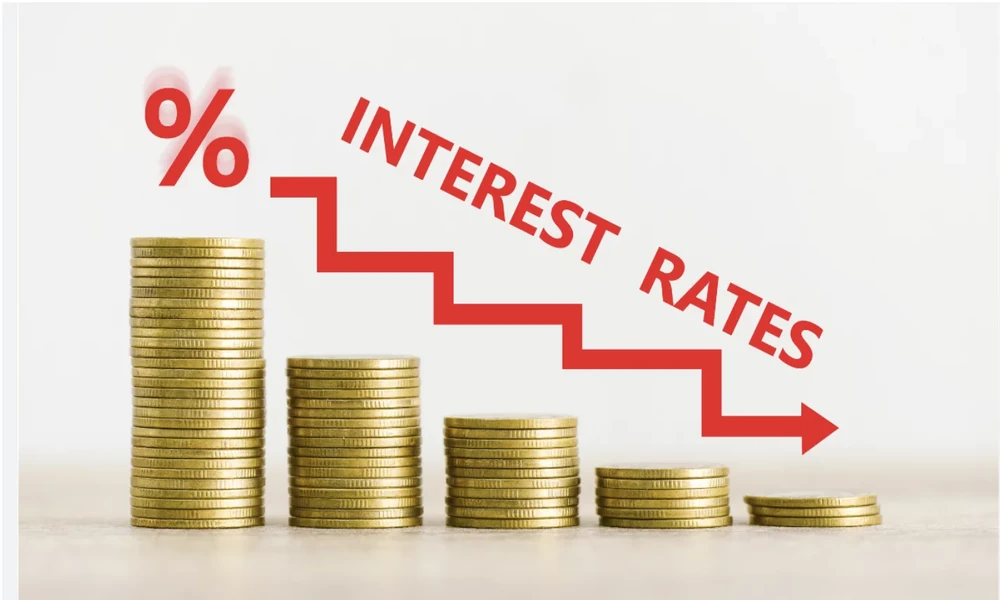
If you’re planning to borrow money this year, understanding personal loan interest rates India is the single most important step before you apply. Your rate decides not just your monthly EMI but the total cost of the loan over its entire tenure. In 2026, personal loan interest rates in India start from around 9.98%-9.99% p.a., helped along by the Reserve Bank of India (RBI) holding the repo rate at 5.25% through much of the year – its lowest level in nearly seven years. But the “starting rate” advertised by banks is rarely the rate you’ll actually get. Here’s what really moves the needle.
How the RBI Repo Rate Shapes Your Loan
The repo rate is the rate at which the RBI lends to commercial banks, and it forms the base for most floating-rate lending benchmarks like the External Benchmark Lending Rate (EBLR). When the RBI cuts the repo rate, banks’ cost of funds falls, and – over time – that can translate into cheaper personal loans for new borrowers. However, most personal loans in India are disbursed at fixed rates, so if you already have a loan, a repo rate cut won’t automatically lower your EMI. It mainly benefits those taking a fresh loan or considering a balance transfer.
The Real Factors That Determine Your Personal Loan Rate
While the repo rate sets the broad market direction, your individual rate is decided by a mix of personal and lender-specific factors:
- Credit (CIBIL) score – Applicants with a score of 750 and above typically qualify for the lowest available rates. Below 700, expect noticeably higher pricing or possible rejection.
- Monthly income and EMI/NMI ratio – Lenders prefer your total EMI obligations to stay under roughly 50-55% of your net monthly income.
- Employer and job profile – Employees of reputed private companies, MNCs, PSUs, or government departments often get preferential rates compared to those at smaller firms.
- Existing relationship with the lender – Salary account holders or existing customers with a clean repayment history frequently receive pre-approved offers well below standard rates.
- Loan amount and tenure – Shorter tenures generally carry lower rates since the lender’s risk exposure is reduced.
- Type of lender – Public sector banks and large private banks tend to offer the most competitive starting rates, while NBFCs and fintech lenders, though faster to disburse, often charge 14-18% p.a. for the same loan amount.
Fixed vs Floating Rates: Which Should You Choose?
Most personal loans in India are fixed-rate, meaning your EMI stays constant for the entire tenure regardless of future RBI decisions. Floating-rate personal loans are less common but can work in your favor if rates are expected to fall further. One practical difference: floating-rate loans usually carry no prepayment penalty, while fixed-rate loans can charge prepayment charges of up to 4% of the outstanding amount.
What’s a “Good” Rate in 2026?
For a salaried applicant with a strong credit profile, a rate between 10% and 12% p.a. is considered competitive this year. If you’re being quoted anything above 16%, it’s worth pausing to improve your credit profile or shop around – the gap between the best and worst rates on a ₹5 lakh loan can add up to tens of thousands of rupees in extra interest over the tenure.
Tips to Secure a Lower Personal Loan Interest Rate
- Check your CIBIL score before applying, and dispute any errors dragging it down.
- Apply first with the bank where you already hold a salary or savings account.
- Compare offers from at least 3-4 lenders, ideally using a soft-inquiry platform so multiple applications don’t hurt your score.
- Negotiate the processing fee – many banks have room to waive or reduce it, especially during festive or promotional periods.
- Opt for a shorter tenure if your budget allows, since it usually comes with better pricing and lower total interest paid.
Final Word
Personal loan interest rates in India in 2026 are more favorable than they’ve been in years, but the advertised “starting from” rate is only available to the strongest applicants. Your credit score, income stability, and choice of lender will ultimately decide what you pay. Before signing on any offer, compare at least a few lenders and read the fine print on processing fees and prepayment charges – they can meaningfully change the real cost of your loan.