
Business Ideas Center

Top Menu

  • Conatct us
  • About Us

Main Menu

  • Franchising
  • Management
  • Business
  • Sales
  • Innovation
  • Conatct us
  • About Us

logo

  • Franchising
  • Management
  • Business
  • Sales
  • Innovation
Business
Home›Business›Why Thoughtful Architecture is Crucial for Food Processing Facilities

Why Thoughtful Architecture is Crucial for Food Processing Facilities

By admin
December 24, 2025
7
0
Share:

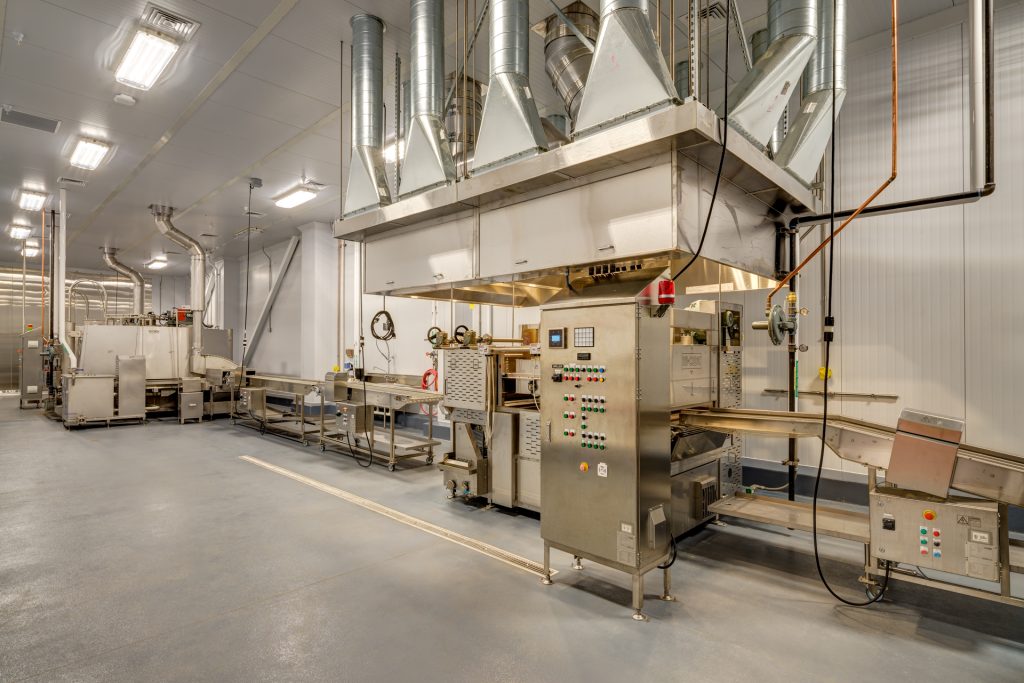
Inside the humming heart of every food processing facility lies a world where efficiency, safety, and innovation must coexist. The right architectural approach does not just house activity; it enables performance, minimizes risk, and sets the tone for everything from compliance to sustainability.

The Role of Architecture in Food Processing Facilities

Thoughtful architecture, especially in industrial food spaces, is about more than blueprints and permits. It calls for a deep understanding of food safety regulations, production flow, and the unique operational constraints that come with processing everything from bread to meat. When architects design with intention, they prioritize spaces that anticipate the challenges of scale, changing technology, and ever-tightening health standards.

Efficiency, safety, and compliance are the pillars. A well-designed plant should move raw ingredients seamlessly from receiving docks to finished packaging, while keeping allergen controls and sanitation at the forefront. Architects focused on food facilities know their work is scrutinized not just by building inspectors, but by public health officials tasked with protecting consumers.

Traditional vs. Modern Architectural Approaches

Facilities built in the past often reflect a utilitarian mindset. Conventional layouts favor straight-line processes, with durability and cost dictating choices. These buildings are sturdy, but not always nimble. Renovating them for new lines, technologies, or regulations can become expensive and disruptive.

Modern design, by contrast, embraces trends such as modular construction, automation-readiness, and sustainable materials. Forward-thinking architects create environments that anticipate future needs, whether it’s a sudden demand shift or a regulatory change. For example, today’s best designs feature flexible spaces that can accommodate new processing lines, or allow for easy zoning updates in response to food safety requirements.

Impact of Architecture on Operational Efficiency

A facility’s layout is not just a matter of convenience. Poor design leads to bottlenecks, cross-contamination risks, and excessive foot traffic in critical areas. Smart spatial planning reduces steps between key operations, segregates allergen zones, and ensures that waste does not mingle with product flow. This not only boosts throughput, it slashes cleaning times and energy consumption.

Material selection plays a quiet but crucial role. Surfaces must withstand harsh cleaning regimens, temperature swings, and constant abrasion. High-performance finishes and non-porous materials help extend facility life while saving on maintenance costs. When every square foot is accounted for, longevity and hygiene are no longer at odds.

Safety and Sanitation: Architectural Strategies Compared

Sanitation is not something to be tacked on after the fact. Traditional plants rely heavily on manual cleaning and static barriers, but these methods leave gaps that pathogens can exploit. Contemporary facilities increasingly feature built-in washdown areas, sloped floors for drainage, and seamless wall systems for easy scrubbing.

Key safety features include properly separated zones for raw and finished products, hands-free doors, and advanced air handling to prevent airborne cross-contamination. Compared with older methods, these integrated solutions drastically reduce both accident frequencies and the risk of product recalls.

Sustainability and Environmental Considerations

Conventional energy use in older food plants is infamously high, with little thought for waste heat recovery or daylighting. Green building practices shift this paradigm, leveraging high-efficiency HVAC, renewable materials, and optimization of natural light to reduce operating costs and environmental impact.

Water usage and waste management also set new facilities apart. Modern plants incorporate water recapture systems, smart filtration, and waste-to-energy processes at the design stage, rather than as afterthoughts. In an industry where margins are slim and scrutiny is constant, these changes deliver both cost savings and reputational benefits.

Case Studies: Successful Architectural Designs in Food Processing

The Canada Bread facilities across Moncton, Québec, and Woodstock are clear demonstrations of balancing scale and functionality. Their layouts ensure smooth, logical flow from ingredient intake to product distribution, all while upholding rigorous hygiene standards.

Cargill’s case ready meat plants take innovation further, integrating advanced material handling and automated sanitation systems. These plants showcase how architectural decisions can support evolving technology, workforce safety, and rapid market response.

Future-Proofing Food Processing Facilities

Adaptability is the name of the game in today’s food sector. Architects now design for modular expansion and quick reconfiguration. Whether it is a need to double output or add a specialty line, the foundation laid at construction determines the cost and ease of future changes.

Technology integration is also paramount. From sensor-driven quality control to robotic packaging, new facilities are engineered with digital infrastructure and smart automation in mind. The result? Plants that are not just productive today, but resilient to whatever tomorrow brings.

Conclusion: Synthesizing Best Practices for Thoughtful Architecture

Choosing the right balance between cost, efficiency, and innovation is never simple. Yet, as food safety expectations rise and competition intensifies, architecture becomes a strategic lever. Facilities designed around thoughtful principles reduce operational headaches and regulatory risks, all while supporting growth and sustainability.

For food companies seeking a competitive edge, collaborating with a specialized food plant architecture firm Stendel + Reich offers access to expertise that transforms constraints into opportunities. Ultimately, the architecture of a food processing facility is not just about walls and ceilings; it is about building the future of safe, efficient, and adaptable food production.

Previous Article

From Fresh Listings to Smart Diversification: Where ...

0
Shares
  • 0
  • +
  • 0
  • 0
  • 0
  • 0

Related articles More from author

  • Business

    Building Business Continuity Plans with Risk Management Software

    November 22, 2025
    By admin
  • Business

    Jumping into the Lion’s Den: Starting a Business in Singapore as a Foreigner

    April 15, 2023
    By Jason Charles
  • Business

    Types of Business Entities in South Korea: Which One Should You Choose?

    October 6, 2025
    By admin
  • Business

    Building Stronger Customer Connections Through Personalization

    December 16, 2023
    By Clare Louise
  • business ethernet services
    Business

    Elevating Business Operations with LS Networks’ Superior Ethernet Services

    November 6, 2024
    By Deborah Engleman
  • Business

    Master Cartons: Essential for Bulk Product Packaging

    January 5, 2024
    By Richard Hunter

  • Tech

    Choosing the Best: How to Find Top Digital Formatting Services

  • Interpreter Services
    Business

    Professional Interpreter Services in Toronto & Ontario: Unlocking Communication Without Barriers

  • Outsource Typesetting Services
    Business

    Outsource Typesetting Services: Streamline Your Publishing Process

Categories

  • Business
  • Featured
  • Finance
  • Franchising
  • Industrial
  • Industry
  • Innovation
  • Internet Marketing
  • Law
  • Management
  • Recruiter
  • Sales
  • Software
  • Tech
Business

Why Thoughtful Architecture is Crucial for Food Processing Facilities

Inside the humming heart of every food processing facility lies a world where efficiency, safety, and innovation must coexist. The right architectural approach does not just house activity; it enables ...
  • From Fresh Listings to Smart Diversification: Where the Latest Investors Are Looking

    By Richard Hunter
    December 18, 2025
  • Interpreter Services

    Professional Interpreter Services in Toronto & Ontario: Unlocking Communication Without Barriers

    By admin
    December 15, 2025
  • Moving heavy machinery safely with trusted support for demanding local projects

    By admin
    December 6, 2025
  • Top 10 Legal Mistakes New Ohio Entrepreneurs Make (And How to Avoid Them)

    By Jason Charles
    December 5, 2025

Latest Post

  • Business

    Why Thoughtful Architecture is Crucial for Food Processing Facilities

    Inside the humming heart of every food processing facility lies a world where efficiency, safety, and innovation must coexist. The right architectural approach does not just house activity; it enables ...
  • Business

    From Fresh Listings to Smart Diversification: Where the Latest Investors Are Looking

    The Indian inventory marketplace continues to offer interesting possibilities for buyers, particularly while discussions revolve around a latest IPO entering the market. New listings regularly convey fresh business models, rising ...
  • Business

    Professional Interpreter Services in Toronto & Ontario: Unlocking Communication Without Barriers

    Many people face a simple challenge: bridging language gaps during legal hearings, medical appointments, business meetings, or immigration interviews. That’s where trusted interpretation services come into play. These services help ...
  • Business

    Moving heavy machinery safely with trusted support for demanding local projects

    Large machines do a lot of the hard work on projects, but getting them from one site to another is often the quiet challenge no one thinks about. That is ...
  • Law

    Top 10 Legal Mistakes New Ohio Entrepreneurs Make (And How to Avoid Them)

    Avoid costly Ohio startup mistakes by choosing the right entity (LLC vs. C corp) for taxes, liability, and investors. Adopt an operating agreement/bylaws. Stay current with Secretary of State filings. ...

Timeline Post

  • December 24, 2025

    Why Thoughtful Architecture is Crucial for Food Processing Facilities

  • December 18, 2025

    From Fresh Listings to Smart Diversification: Where the Latest Investors Are Looking

  • December 15, 2025

    Professional Interpreter Services in Toronto & Ontario: Unlocking Communication Without Barriers

  • December 6, 2025

    Moving heavy machinery safely with trusted support for demanding local projects

  • December 5, 2025

    Top 10 Legal Mistakes New Ohio Entrepreneurs Make (And How to Avoid Them)

Management

  • Management

    The Ultimate Guide on How to Manage Your Business Finances Effectively

    Managing your business finances is one of the most important tasks a business owner has to take care of. Keeping accurate records, creating a budget, and tracking expenses can be ...
  • Management

    The Ultimate Guide to Building and Leading a High-Performing Team

    As a leader, building and leading a high-performing team is crucial for the success of any organization. A high-performing team not only improves productivity and profitability but also boosts morale ...
  • Management

    The Power of Effective Communication in Modern Management Practices

    Effective communication is a key element of successful management practices, as it allows leaders to convey their vision, goals, and expectations to their employees. The benefits of good communication practices ...
  • Management

    Mastering the Art of Leadership: The Top Skills Every Manager Should Possess

    Leadership is the quality that defines a successful manager. While some people are born with natural leadership qualities, others develop it over time. However, the truth is that anyone can ...
  • Management

    Effective Strategies for Managing Remote Teams

    In today’s digital age, remote work has become a necessity for many companies. Managing remote teams is an art that requires specific strategies for success. Remote teams encounter unique challenges, ...
  • Conatct us
  • About Us
Copyright © 2024 businessideascenter.com.