
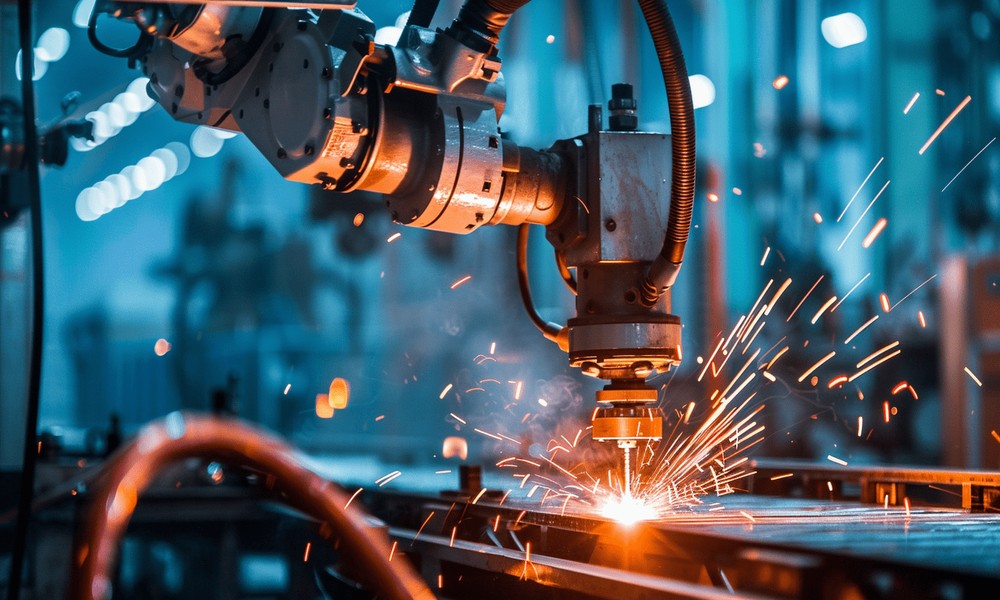
Heavy fabrication work requires machinery that performs consistently during intense operations. Each welded connection needs stability, strength, and controlled temperature management. Proper welding supplies contribute to smooth performance over long production cycles. Strong construction combined with responsive systems ensures dependable results in tough environments.
How Does Equipment Perform Under Intense Fabrication Stress?
Performance depends on how machines manage constant industrial demands effectively. Heat balance, system stability, and material handling must remain controlled. Well-designed equipment prevents irregular output during extended working cycles. This stability helps maintain accuracy throughout complex fabrication processes.
Material Flexibility Supporting Diverse Fabrication Needs
Fabrication projects often include varied metals within single workflows. Equipment must adjust without affecting weld strength or consistency. Flexible systems manage different materials without requiring frequent recalibration. This adaptability supports efficient production across changing fabrication demands.
- Handles mixed materials without reducing joint strength
- Enables smooth transitions between varied fabrication tasks
- Maintains bonding quality across different thickness levels
- Minimizes adjustments during multi-material welding processes
Flexible equipment enhances productivity across complex fabrication environments. It also reduces delays caused by frequent system adjustments. Smooth material handling improves overall workflow continuity.
Why Do Precision Parts Improve Welding Consistency?
Accurate welding depends on internal components maintaining stable operation. Precision regulators control arc flow without sudden variation. Even material feeding ensures smooth weld formation across surfaces. These elements work together to support consistent fabrication outcomes.
Reliable internal systems reduce errors during repetitive industrial operations. They also improve efficiency when handling detailed fabrication work. Consistent component performance ensures dependable results over extended periods.
Durable Construction Supporting Long-Term Equipment Strength
Equipment durability becomes essential under constant industrial usage conditions. Strong materials protect systems from heat exposure and operational stress. Durable machines maintain performance even after prolonged heavy workloads. This reliability reduces downtime and supports continuous production flow.
- Reinforced structures handle intense fabrication pressure effectively
- Heat-resistant parts maintain stability under high temperatures
- Protective coatings reduce damage from harsh environments
- Internal systems resist wear during long-term operations
Durable construction ensures consistent performance across extended production cycles. It also lowers maintenance requirements over time. Strong equipment supports uninterrupted fabrication processes effectively.
How Does Operator Skill Impact Welding Performance Outcomes?
Experienced operators understand how machines respond during complex fabrication tasks. Familiarity with controls allows precise adjustments when needed. Skilled handling reduces material waste and improves weld accuracy. This expertise enhances productivity across demanding industrial conditions.
Operators who understand equipment behavior achieve more consistent results. Their knowledge ensures smooth workflows even under challenging fabrication situations. Skilled operation improves both efficiency and overall output quality.
Stable Power Delivery Ensuring Reliable Welding Results
Consistent power supply plays a critical role in welding performance. Fluctuating current can weaken joints and affect structural strength. Balanced systems maintain steady output across various welding tasks. Reliable power ensures uniform weld quality throughout operations.
- Provides steady current during continuous fabrication processes
- Prevents fluctuations that weaken structural weld strength
- Supports smooth arc performance across varied workloads
- Maintains consistent results across multiple welding applications
Stable power improves reliability across different fabrication conditions. It also enhances weld consistency throughout extended production cycles. Balanced output supports efficient and accurate welding processes.
Carefully selected welding supplies contribute to maintaining stable performance across demanding industrial fabrication conditions.
How Does Equipment Adjust To Changing Fabrication Demands?
Fabrication work often requires adapting to new structural requirements quickly. Equipment must handle changes without reducing output quality. Versatile systems support multiple welding techniques within single workflows. This flexibility ensures smooth progress across complex fabrication tasks.
Adaptable equipment helps reduce downtime caused by switching systems. It also supports consistent results across different project requirements. Reliable adjustment features improve overall operational efficiency.
Consistent Output Supporting Reliable Fabrication Results
Effective welding equipment ensures steady performance across challenging industrial tasks. Reliable systems maintain structural strength and improve production flow. Consistent output reduces waste and enhances fabrication accuracy. Strong performance supports long-term success across industrial environments.
Dependable equipment allows teams to focus on precision work confidently. It ensures smooth operations even during extended production periods. This stability strengthens productivity across demanding fabrication conditions.
FAQs
What ensures welding equipment works in harsh conditions?
Strong construction and stable heat control ensure reliable performance.
How does flexibility help in welding operations?
Flexibility allows smooth handling of different materials and tasks.
Why is steady power important in welding?
Stable power ensures strong joints and consistent welding quality.