
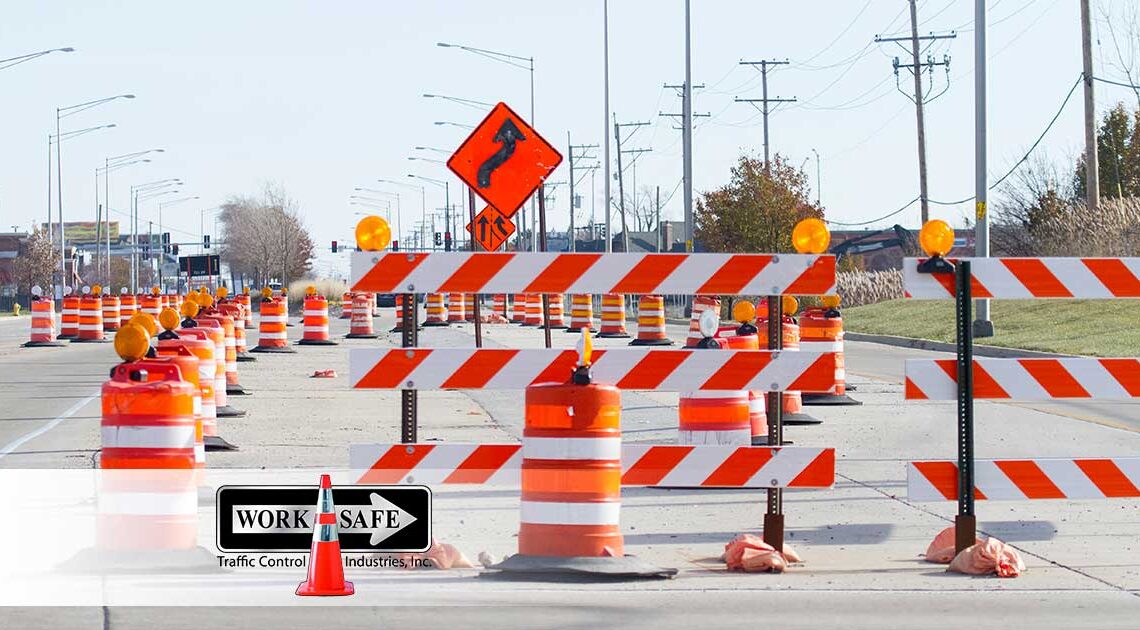
Managing roadwork on busy streets is a high-stakes balancing act. One missed detail can lead to traffic snarls, frustrated commuters, and, more seriously, hazards for workers and the public. Before a single cone goes down, certain elements demand careful consideration if the work zone is to succeed in both safety and efficiency.
Understanding Work Zone Setups on Busy Roads
Construction crews traditionally relied on static methods for work zones: pre-set barricades, flaggers, and a one-size-fits-all plan. This approach favored predictability, but often failed to adapt when traffic patterns shifted throughout the day. Modern projects, however, call for adaptability. Traffic management plans now factor in real-time data, fluctuating vehicle volumes, and even weather conditions to minimize disruption. Choosing between fixed layouts and flexible, responsive designs hinges on the roadway’s complexity and the project’s unique needs.
Safety Protocols: Balancing Worker and Public Protection
Safety is the non-negotiable cornerstone. The best plans start with a checklist of proven measures: high-visibility signage, robust barriers, clear lane demarcations, and personal protective equipment for crew members. There’s also the question of human flagging crews versus automated signal systems. While flaggers bring responsiveness to unpredictable situations (like emergency vehicles), automated signals can reduce human error and keep workers out of direct danger. Each strategy offers strengths, but both must be tailored to the work zone’s context and risk profile.
Traffic Flow Management Techniques
Handling the flow of vehicles is as vital as ensuring safety. Planners must decide between partial and full lane closures. Partial closures keep some traffic moving but can create bottlenecks if not managed properly. Full closures are simpler for workers but require well-planned detour routes and robust public communication. Temporary traffic signals and digital message boards are now commonplace, offering real-time updates that help drivers navigate changing conditions. The optimal choice depends on traffic volume, time of day, and the duration of the project.
Regulatory Requirements and Permitting Processes
Before any setup begins, compliance with local regulations is crucial. Municipalities often demand a “Road Occupancy Permit” for work on public roads. The permit process can be straightforward for minor projects or highly detailed for major arterial routes. For example, Ontario’s OTM Book 7 provides standard guidelines but cities may request custom traffic control plans that go well beyond basic requirements. Larger urban projects frequently face more scrutiny and must demonstrate robust risk mitigation strategies.
Equipment and Personnel: What to Prioritize?
No work zone functions without the right tools and team. Planning starts with determining the number and deployment of flagging crews. On busier roads, staggered shifts and more personnel can lower fatigue and improve responsiveness. Equipment selection covers more than cones and signs. Modern work zones utilize portable barriers, illuminated message boards, and smart sensors to increase visibility and adapt quickly to changing conditions. The right mix, coupled with reliable sourcing, makes the difference between a smooth operation and chaotic delays.
Efficiency vs. Responsibility: Meeting Project Deadlines Without Compromising Safety
Speed matters, especially when road closures threaten city traffic grids. Yet, rushing a setup or skipping safety checks courts disaster. Efficient work zones use pre-staged equipment, phased rollouts, and continuous crew training to trim timelines without taking shortcuts. Real-world examples reveal that companies with strong safety cultures often outperform those focused solely on speed. Ultimately, the responsibility to both road users and workers must never be compromised, regardless of project deadlines.
Choosing the Right Traffic Control Partner
The choice between a family-owned specialist and a larger corporate provider has real implications. Local companies often deliver more personalized, responsive service, rooted in deep knowledge of municipal procedures and local traffic patterns. Larger firms may offer more resources, but can sometimes be less agile on the ground. When assessing providers, look for a documented safety record, adaptability to changing project demands, and clear communication protocols. For example, the Salus Traffic Control company is recognized for tailoring solutions to individual project needs and upholding a steadfast commitment to safety and efficiency.
Future Trends in Work Zone Management
The future promises smarter, more responsive work zones. Technology is moving fast: sensors that alert crews to traffic build-ups, digital platforms that push real-time alerts to drivers, and drones monitoring site conditions for added safety. Customization is becoming standard, with traffic control plans adapting dynamically to evolving risks and priorities. The industry is also shifting from reactive problem-solving to proactive risk management, integrating continuous feedback loops to learn and improve from every project.
Getting work zones right on busy roads requires more than following a checklist. It demands a holistic, adaptive approach, where safety, efficiency, and smart planning work in lockstep. Neglecting any one piece isn’t just a missed opportunity for improvement. It’s a risk that no team, or traveler, should have to take.