
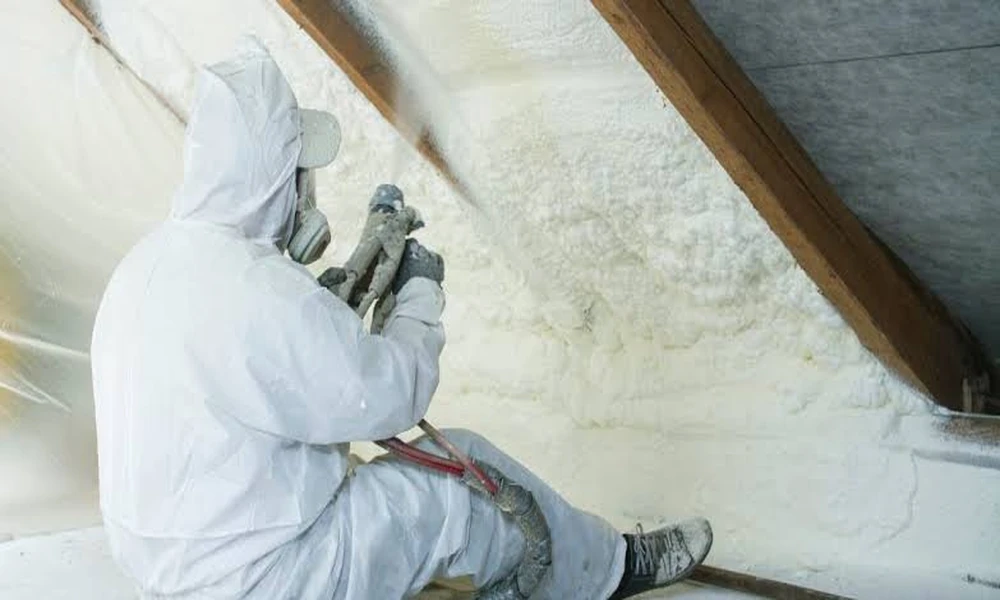
Residential building work often requires materials that fill gaps and block unwanted air movement. Small openings around walls or frames can affect indoor temperatures and allow moisture to enter. The expanding foam offers a practical way to seal these spaces while supporting basic repair tasks. Its usefulness depends on selecting the correct product for each job. Understanding its common uses helps homeowners reduce drafts, improve insulation and maintain a stronger building structure through careful application.
Where Can Foam Seal Small Gaps?
Builders apply this material around narrow openings to prevent air leaks and improve the overall sealing of interior spaces.
How Does Foam Improve Wall Insulation?
Insulating products fill selected cavities within walls, helping reduce heat transfer while supporting more stable indoor temperatures throughout changing seasons.
How Should Foam Be Applied Safely?
Correct preparation helps achieve a neat result while reducing waste. Follow the manufacturer’s guidance throughout the process.
· Wear suitable gloves and eye protection.
· Clean dust from the application area.
· Protect nearby finished surfaces.
· Apply small amounts to prevent excessive expansion.
· Allow sufficient curing time before trimming.
Can Foam Seal Window Frame Openings?
Applying suitable sealant around window frames closes unwanted spaces, limits drafts and helps maintain a consistent indoor environment.
Why Use Foam Around Door Frames?
Door frame gaps can allow outside air inside, so careful sealing helps reduce drafts and supports better energy efficiency.
What Surfaces Work Best With Foam?
Compatibility depends on the product formula and the surface condition. Checking the label prevents poor bonding or unwanted damage.
· Concrete provides a suitable base for many products.
· Wood frames commonly require gap sealing.
· Brickwork can contain openings around service entries.
· Some plastics need specific compatible formulas.
· Wet or dirty surfaces may reduce adhesion.
How Does Foam Fill Pipe Openings?
Suitable products seal spaces around pipes passing through walls, helping limit air movement while keeping surrounding surfaces properly closed.
Can Foam Help Repair Roof Gaps?
Certain formulations fill small roof openings and spaces beneath roofing materials, although larger structural defects require proper building repairs.
Where Is Foam Useful In Attics?
Attic sealing reduces unwanted airflow through selected openings and helps insulation perform better when the material suits the surrounding surfaces.
When Should Foam Be Avoided?
Not every opening is suitable for this material. Incorrect use can affect building safety or interfere with essential movement.
· Avoid blocking ventilation openings.
· Do not fill active drainage paths.
· Keep foam away from unsuitable heat sources.
· Never treat major structural damage as a simple sealing task.
· Check fire rating requirements around service penetrations.
How Can Foam Reduce Indoor Drafts?
Drafts often enter through hidden openings near frames or wall joints. A suitable sealant closes these routes and reduces unwanted airflow.
What Makes Foam Useful For Repairs?
Repair work benefits from materials that expand into irregular spaces. The expanding foam can fill openings that are difficult to seal with rigid products.
Can Foam Secure Loose Building Components?
Some formulations help hold lightweight components in position while curing. Builders must check product instructions before relying on them for support.
How Can Homeowners Maintain Sealed Areas?
Regular checks help identify damage before small gaps become larger problems. Inspect repaired sections whenever nearby building work occurs.
· Look for cracks or shrinking material.
· Check for moisture around sealed openings.
· Replace damaged sections when necessary.
· Confirm that doors and windows operate freely.
· Seek professional advice for persistent leaks.
Effective gap sealing begins with identifying the source of unwanted airflow and choosing a suitable product. Homeowners should prepare surfaces carefully while following application and curing instructions. Large openings or damaged building parts may need specialist attention instead of simple filling. Routine inspections also help maintain reliable results. Matching each material to its intended purpose supports better insulation and helps protect the home from avoidable air leaks.