
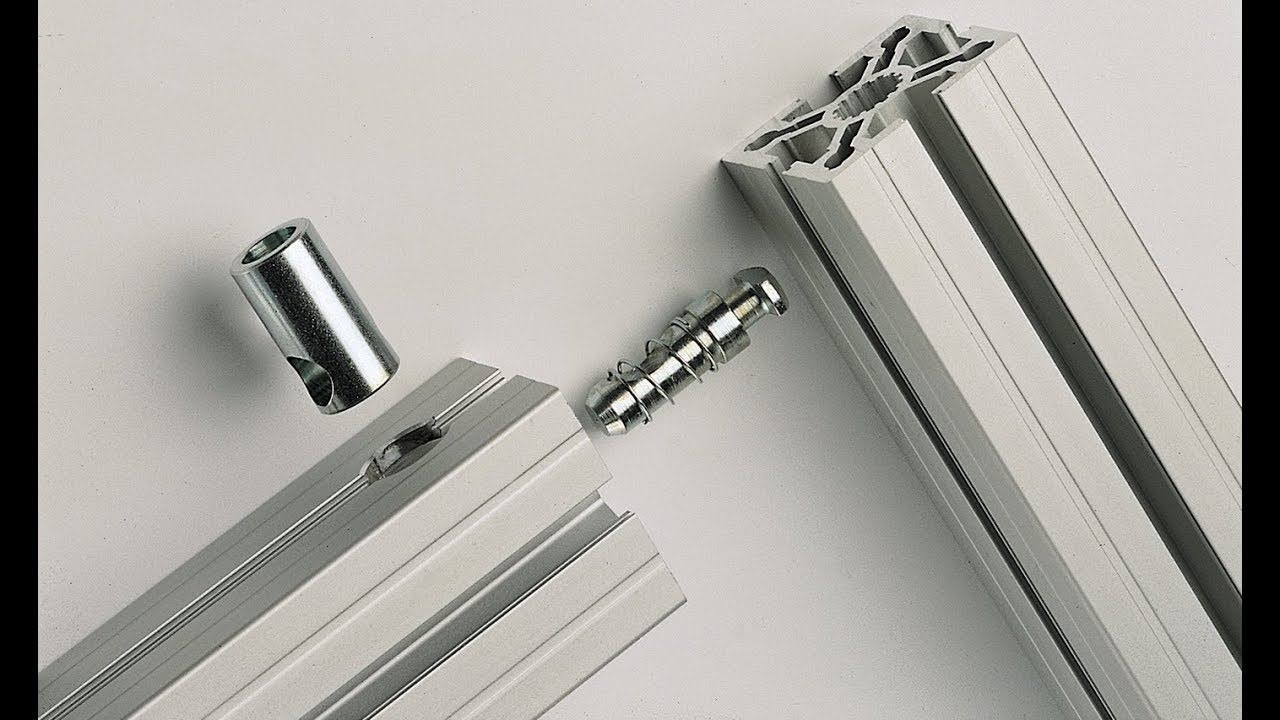
Aluminium profile systems have become a go to choice for UK manufacturers looking to build modular frames, machine enclosures and workstations. While the profiles themselves provide the structural framework, connectors are often the unsung heroes that determine overall strength, stability and durability. Selecting the right connectors is crucial to ensure safety, performance and long term reliability.
Why Connectors Matter
Even the strongest aluminium profile can fail if the connections are weak or improperly designed. Connectors hold the framework together, distribute loads and maintain alignment under stress. Poorly chosen connectors can lead to:
- Frame misalignment or sagging
- Reduced load bearing capacity
- Increased wear or maintenance requirements
- Safety risks in machine guarding or automation frames
Understanding the types of connectors available and their applications helps designers build robust structures that meet operational demands.
Common Types of Aluminium Profile Connectors
T-slot aluminium profile systems offer a variety of connector options, each suited for different structural needs:
Corner Brackets
- Provide right angle connections between profiles
- Reinforce structural rigidity at corners
- Suitable for frames, machine enclosures and guarding
Gussets
- Triangular supports that strengthen corners
- Ideal for larger frames or high load applications
- Helps reduce flex under stress
Joining Plates
- Flat plates connecting profiles side by side or end to end
- Used for extending frame length or creating wider structures
- Distributes load evenly across multiple profiles
Anchor Fasteners
- Inserted directly into T-slots for hidden, strong connections
- Provide clean appearance while maintaining load-bearing strength
- Often used in automation frames and workstations
Adjustable Connectors
- Allow minor alignment adjustments during assembly
- Useful in complex layouts where precise fit is critical
Factors to Consider When Choosing Connectors
When selecting connectors, it’s important to match them to both the load requirements and intended application:
- Load capacity: Ensure connectors are rated for static and dynamic loads.
- Frame size and profile type: Not all connectors fit every series or slot size.
- Environment: Consider corrosion resistance if used in damp or chemical prone areas.
- Reconfigurability: Some connectors allow easier disassembly or adjustments.
By factoring in these considerations during the design stage, UK manufacturers can avoid costly failures and reduce maintenance requirements.
Best Practices for Maximum Stability
- Use multiple connectors for critical joints – distributing the load across several points improves stability.
- Tighten fasteners evenly – uneven tension can create stress points.
- Plan for modular expansion – choosing connectors that allow future reconfiguration helps extend the frame’s lifespan.
- Follow manufacturer guidelines – each connector type has specific torque and alignment recommendations.
Frequently Asked Questions
Can aluminium profile frames hold heavy machinery?
Yes. With the correct combination of profiles and connectors, aluminium frames can support substantial loads in industrial settings.
Are all connectors interchangeable between profile series?
No. Connectors are designed for specific profile series and slot sizes, so compatibility should be checked before specification.
Do modular connectors compromise strength?
Not if specified correctly. Modern connectors are engineered to maintain rigidity while providing flexibility for assembly and reconfiguration.
Is professional design advice recommended?
For load bearing or safety critical applications, consulting experienced designers ensures the correct connector selection and assembly.
Final Thoughts
Connectors are a vital component of aluminium profile systems, determining the overall strength, stability, and adaptability of a frame.
By selecting appropriate aluminium profile connectors and following best practices, UK manufacturers can create durable, safe and modular structures that meet production needs now and in the future. Proper planning ensures that aluminium framing delivers both structural integrity and long term cost efficiency.