
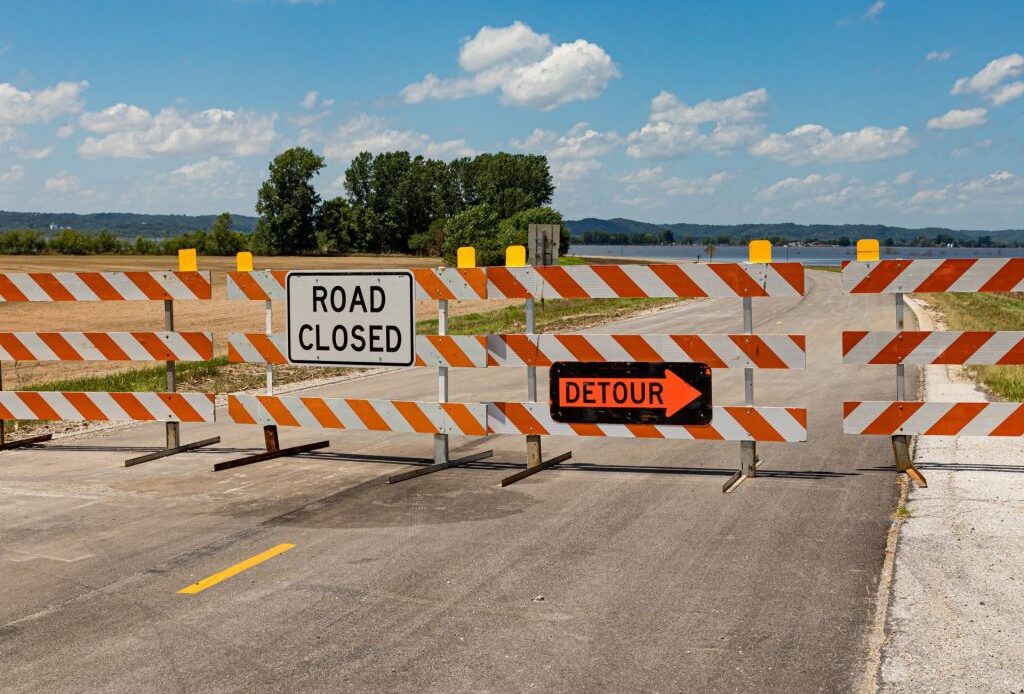
Every city faces the challenge of maintaining roads while keeping traffic moving. Just a single poorly planned lane closure can transform a routine commute into a frustrating maze of congestion. Even minor disruptions ripple outward, turning busy intersections into headaches and quiet neighborhoods into unintended detours.
## Understanding the Importance of Well-Planned Lane Closures
Mistakes in traffic management have real consequences. When closures are haphazard, safety risks soar, not just for workers but for confused drivers veering into unexpected bottlenecks. Emergency vehicles can be blocked, accidents spike, and reputations are damaged overnight. On the flip side, a well-executed closure maintains the delicate balance between necessary work and the city’s natural flow.
Toronto, like many urban centers, has learned from harsh experience. That city’s network of streets hums with life around the clock, so even a temporary closure needs precision. The best examples come from projects where professionals balance worker safety with minimal driver inconvenience, often working closely with local authorities and seasoned flagging crews.
## Preparing for Lane Closures: Gathering Critical Information
Before a single cone hits the pavement, thorough groundwork is essential. Start by assessing the roadway: how many lanes, what are typical traffic volumes, and what times see the most congestion? These details determine not just how, but when to close a lane.
Next, identify everyone with a stake in the process. Municipalities grant permits and set rules. Contractors schedule the work. Flagging crews keep everyone safe in the field. Open communication ensures that surprises are eliminated before work begins.
Securing permits and ensuring compliance with local requirements prevents costly delays. Some municipalities insist on detailed site plans, especially when closures affect major arteries or bus routes. Failing to secure proper authorization can derail the project before it begins.
## Designing Effective Traffic Control Plans
Every road and work zone is different. Effective plans adapt to these variations, whether it’s a brief closure on a quiet suburban street or a long-term lane takeover on a downtown thoroughfare. Standards such as Ontario’s OTM Book 7 provide a starting point, but local regulations often require tweaks for unique city grids or neighborhood quirks.
Consider the case of a two-lane road. Here, flagging crews become vital. With both directions sharing a single open lane, clear signals and coordination keep vehicles flowing smoothly. A custom-tailored plan accounts for local traffic peaks, access for residents, emergency response routes, and safe worker zones.
## Mobilizing Flagging Crews and Equipment
The expertise of the flagging crew can make or break a project. Select teams with a proven record of safely managing closures of similar scope. Training is non-negotiable; every crew member needs to know not just the basics, but the specific plan for the day.
Effective communication, both within the crew and between workers and supervisors, ensures that shifting realities on the ground are managed instantly. Well-maintained equipment adds another layer of reliability, from high-visibility signs to barriers that stand up to wind and weather.
## Implementing Lane Closures with Minimal Disruption
On the day of the closure, precision matters. Crews arrive early, set up signage well in advance of the work zone, and use cones and barriers to gently guide drivers into new patterns. Real-time monitoring lets supervisors adjust lane access based on sudden changes in traffic flow or unexpected incidents, like a stalled vehicle or emergency response.
During work hours, flexibility is key. If traffic suddenly surges or an unplanned detour is needed, experienced teams respond quickly, updating signage and communicating with city traffic management as needed. This dynamic approach minimizes delays and frustration.
## Monitoring and Maintaining the Work Zone
Lane closures are never a “set it and forget it” operation. Continuous communication among team members keeps everyone alert to changing conditions. Regular safety checks catch issues before they escalate, whether it’s a barrier knocked out of place or a sign obscured by weather.
Sometimes, mid-project adaptations are necessary. Perhaps a lane reopening is possible ahead of schedule, or an additional sign is placed to better warn approaching drivers. These quick fixes can prevent small problems from ballooning into major bottlenecks.
## Effective Communication with the Public and Stakeholders
Drivers are far more patient when they know what to expect. That’s why advance warnings, be it through radio, social media, or highway signage, are crucial. Coordinating with local authorities and emergency services adds another layer of preparedness, ensuring that everyone with a stake in the project is in the loop.
On the ground, clear signage and digital alerts (such as flashing message boards) guide commuters safely around the work zone. The goal is to create a sense of order even in the midst of necessary disruption.
## Wrapping Up and Restoring Normal Traffic
Safely dismantling the closure is just as important as the setup. Crews remove equipment, double-check for any lingering hazards, and restore signage to its original state. A thoughtful post-project review evaluates what worked, and what could be improved for next time.
Perhaps the greatest validation comes from a community that barely noticed the closure at all, except for the freshly paved road or new utility line. For those seeking professional solutions, choosing experienced partners like [Salus Traffic Control services](__LINK_PLACEHOLDER__) can make all the difference. Their expertise ensures every step, from planning to reopening, prioritizes safety and efficiency while keeping cities moving forward.