
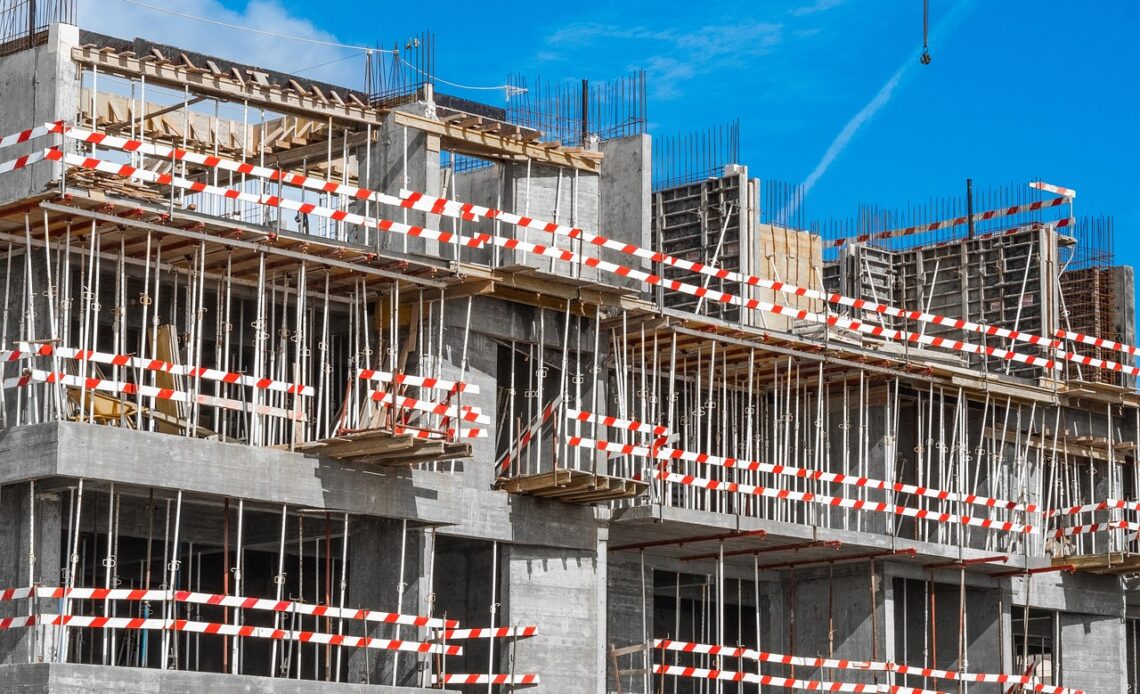
Commercial construction can be rewarding, but it is also complex. Large budgets, strict rules, and many people involved mean that even small mistakes can turn into big problems. Missed deadlines, rising costs, and poor building quality are common issues when planning is rushed or decisions are made too late.
Many delays and budget blowouts are avoidable. They often come from the same repeated errors seen across commercial construction sites. Understanding these mistakes early can help protect your investment and keep the project moving in the right direction.
Below are some of the most costly mistakes in commercial construction, and how to avoid them.
Starting Without Clear Planning and Advice
One of the biggest mistakes is starting a project without a clear plan. This includes unclear goals, vague designs, or missing approvals. When the scope is not fully defined, changes happen during the build.
These changes cost time and money.
Engaging commercial property development consultants early helps avoid this issue. Proper planning covers site use, compliance, budgets, and timelines before construction begins. When decisions are locked in early, the project runs more smoothly and with fewer surprises.
Underestimating Timeframes
Many development projects fail because timelines are too tight from the start. Weather delays, material shortages, approval hold-ups, and labour issues are common in commercial builds. When the timeline does not allow for these realities, pressure builds quickly.
A realistic commercial construction schedule should include buffer time. This helps manage delays without pushing costs higher. When deadlines are rushed, quality often drops, and safety risks increase.
Choosing the Wrong Contractors
Not all builders have the same level of experience. Choosing contractors based only on price is a risky move. Inexperienced or poorly managed teams can cause delays, errors, and rework.
Working with reliable contractors for commercial building projects ensures better coordination and accountability. Experienced teams understand regulations, site safety, and complex builds. They also know how to manage trades efficiently.
Ignoring Site Conditions
Every site is different. Soil quality, access points, drainage, and surrounding buildings all affect construction. Skipping detailed site checks can lead to unexpected work once construction starts. Early site assessments help avoid costly fixes and redesigns later in the project, while also keeping timelines and budgets under control.
Failing to Control Material Costs
Material prices change often, especially during large-scale projects. Poor cost tracking can lead to budget overruns very quickly. Some builders fail to lock in prices early or do not allow for market changes.
Keeping a close eye on commercial building materials cost is essential. This includes choosing suitable materials that balance durability, performance, and budget. Smart material choices early help avoid
last-minute substitutions that affect quality.
Poor Communication Between Teams
Commercial construction involves architects, engineers, builders, suppliers, and owners. When communication breaks down, mistakes happen. Conflicting instructions or delayed decisions can bring work to a halt.
Clear communication channels and regular updates keep everyone aligned. This is especially important for general contractors for commercial buildings, who manage multiple teams and moving parts on site.
Overlooking Design-Specific Needs
Different commercial buildings have different needs. A one-size-fits-all approach rarely works. Mistakes often happen when design requirements are not matched to the building’s purpose.
For example, restaurant design and development require careful planning around ventilation, fire safety, and customer flow. Ignoring these details can lead to compliance issues and expensive redesigns.
Similarly, building a childcare centre involves strict safety rules, outdoor space planning, and accessibility standards. Missing these early can delay approvals and increase costs.
Ignoring Local Experience
Local knowledge matters. Builders unfamiliar with the area may struggle with council processes, suppliers, or environmental conditions. This often leads to approval delays or design changes.
Projects like Gold Coast commercial property projects benefit from teams who understand local regulations, climate conditions, and council expectations. Local experience helps speed up approvals and reduces unexpected setbacks.
Delaying Decisions During Construction
Slow decision-making can stop progress on the site. When approvals or selections are delayed, trades may need to stop or redo work later. This leads to wasted labour and extended timelines. Quick, informed decisions keep the build moving.
Failing to Embrace Smarter Solutions
Some projects fail because they rely on outdated methods. Modern construction offers better tools, systems, and materials that improve speed and accuracy.
Embracing innovation in commercial property development can reduce delays and errors. Digital planning tools, improved project tracking, and modern building methods help teams work more efficiently and avoid costly mistakes.
Less Rushing, Better Results
Commercial construction works best when decisions are made with care, not speed. The biggest problems often start well before the first brick is laid. Weak planning, tight timelines, and the wrong team can turn a solid idea into an expensive headache.
Taking the time to plan properly changes everything. When risks are addressed early and the right people are involved, projects move forward with fewer delays, tighter cost control, and stronger results. Build with purpose, not pressure, and the outcome will speak for itself.