
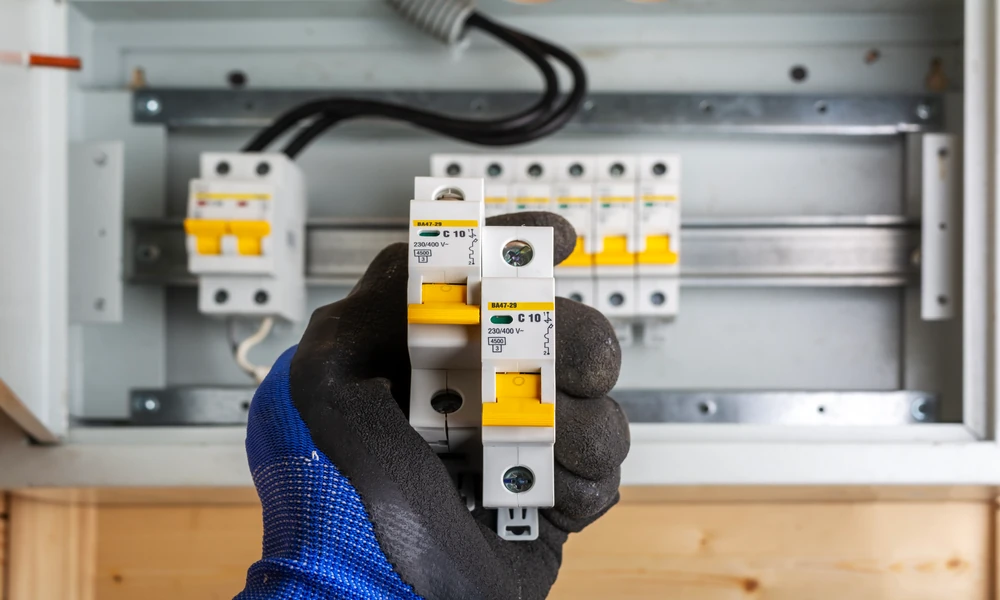
Residual current devices are very critical in protecting people and properties against electric faults. This guide explains what residual current devices are, its functionality, and the reason as to why every business should install them. This information is well suited to business owners who handle electrical systems to be able to make informed decisions.
Learning about installing residual current device systems
What is a residual current device
A residual current device or sometimes abbreviated as RCD, is a safety gadget that measures imbalances in electric current. It switches off power in a brief period when a circuit unexpectedly has leakage current. This feature is used to avoid electric shock, as well as to minimize risk of fire.
Function of residual current devices
Residual current devices continuously check the equilibrium of current through a circuit. In the event of current leakage usually caused by broken wiring or faulty equipment, the device cuts the power supply out again. This immediate reaction will deter severe wound and machine loss. Take into account the following essential functions of residual current devices:
- Leakage detection: The device determines imbalances in the electrical current going out and those going in of the device.
- Rapid disconnection: The power supply becomes interrupted soon after the leakage of unsafe current is detected.
- Continuous protection: The gadget is active at all times, offering continuous protection during the normal use of the circuit.
Benefits of installing RCD systems
Installation of residual current systems of devices has a great safety and operation benefit to any business. Good protection lessens employees’ risk as well as protecting valuable electrical equipment. There are various unique advantages on why installation is important. These are the advantages of installing RCD systems:
- Electric shock prevention: There is a high risk of severe electric shock injuries but by rapid disconnection, it can be considerably minimized.
- Fire risk reduction: Timely detection of leakage of current aids in avoiding cases of overheating, which can lead to fires.
- Equipment protection: Trustworthy systems aid in minimizing the destruction of sensitive electrical equipment during faults.
- Regulatory compliance: Installing RCDs contributes to businesses and compliance to the recognized standards and requirements in the field of electrical safety.
Choosing the right residual current device
The choice of a proper residual current device is conditioned by the particular requirements of the circuits and safety demands. Matching the minor specifications of devices with the conditions of the system facilitates the dependable long-lived margin. When deciding what type of a residual current device to use, consider:
- Sensitivity rating: Let the sensitivity be chosen correctly so that good detection is assured with minimal nuisance tripping.
- Current rating: Matching current rating to circuit load assists in safe and consistent operation.
- Device type: Selecting among the various types of RCD is contingent on, among other, application and installation requirements.
- Certification standards: The choice of certified devices will guarantee the observance of the established electrical safety standards.
Maintaining residual current devices for long-term reliability
Conducting repairs periodically contributes to fitting residual current equipment to maintain operational stability with the passage of time. Periodic testing will enable faults to be detected in time before they affect overall performance in safety. Regular maintenance will aid in long-term safeguards in any business setup. Take into account the following maintenance procedures of residual current devices:
- Routine testing: A frequent test button check is done to ensure that devices are operating per intended use.
- Professional inspections: Wiring problems which can affect functioning of devices can be detected by professional electricians.
- Timely replacements: Replacement of the old or defective appliances contributes to continuity of the electrical protection.
A look at the frequently asked questions
What does a residual current device do?
It notices leakage of current and cuts the power source to avoid the possibility of shocks.
Some common locations of residual current devices?
They find application in residential, offices, factories and building construction sites.
Frequency of testing RCDs?
Periodically checking the test-buttons make sure that devices are not malfunctioning.
Do RCDs comply with regulations?
Yes, there are numerous electrical safety regulations concerning installation of RCDs in specific environments.