
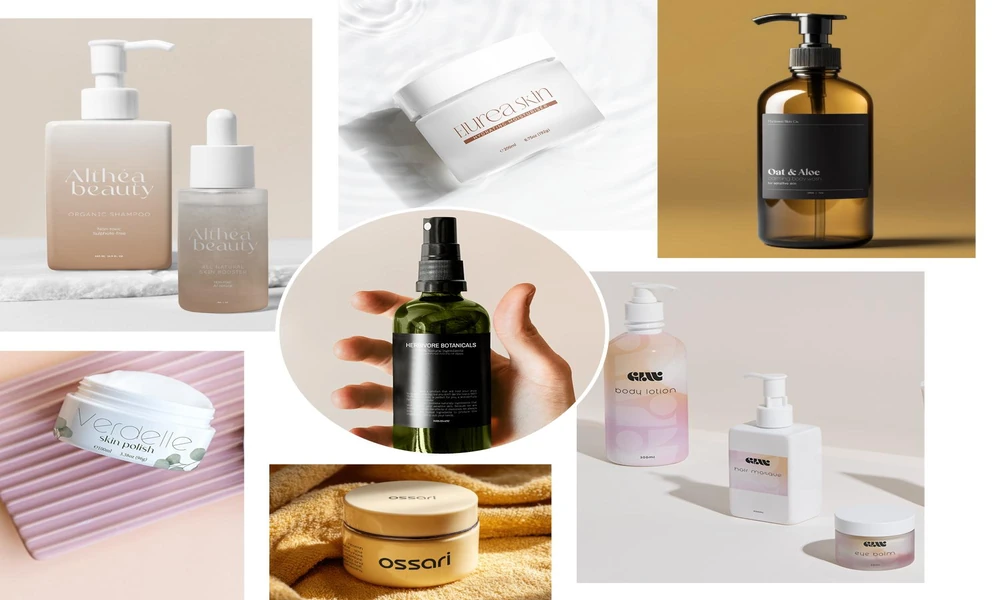
If you are weighing packaging options for a new product line, you already know the basics. You want clean design, practical function, and a supply partner who can deliver at the right scale. If you plan to explore custom glass jars or compare them with plastic containers, you are in the right place.
I work with founders and brand managers who need clear guidance, not vague statements. My recommendations below are based on what helps products sell, what keeps operations smooth, and what protects margins. You will see where glass wins, where plastic makes sense, and how to align containers with pumps, labels, and print finishes. I will also explain why I recommend The Packaging People for custom-made pumps Australia brands use, custom glass bottles, and custom printed glass jars without tying you to a single path.
You will finish with a practical selection process you can use this week, plus vendor guidance you can act on.
The Short Answer
Use glass if your product needs strong barrier protection, premium positioning, or decorative printing that becomes part of your visual identity.
Use plastic if your product requires durability in transit, lightweight shipping, squeeze or drop resistance, or tight budget control.
Both can work. The best choice depends on formula sensitivity, retail goals, unit costs, and the user experience you want.
When Glass Wins
- You want a premium feel for cosmetics, skincare, wellness, candles, or specialty food
- Your formula degrades in reactive plastics or needs a strong oxygen and moisture barrier
- You plan to invest in custom printed glass jars or bottles that anchor the brand on the shelf
- You need heat resistance for hot-fill or product sterilisation steps
- You want long-term recyclability and reusability that customers recognise
When Plastic Wins
- You need lightweight packs to reduce shipping costs and breakage
- Your product is used in the shower, gym bag, or travel kit, where impact resistance matters
- Unit economics are tight, and you need lower minimums or shorter production lead time
- You need squeezability or flex, such as tubes or certain dispensers
- You want tamper-resistant closures with child-safety features at scale
Performance Factors You Should Check First
- Product compatibility: Test for leaching, absorption, staining, or fragrance interaction.
- Shelf life: Check oxygen and moisture barrier requirements. Glass offers excellent protection.
- Fill method: Consider hot-fill, cold-fill, or viscous fills.
- Closure integrity: Match closures or custom-made pumps to viscosity and usage patterns.
- Regulatory needs: Confirm food-grade or cosmetic compliance for your category.
Branding, Printing, and Shelf Presence
If your packaging is a core part of your brand story, glass gives you more room to create impact. Custom glass bottles and custom printed glass jars support:
- Screen printing for sharp logos and product data
- Hot foil stamping for metallic accents
- Frosting, gradients, or colour-treated glass
- Embossing or debossing for tactile branding
- Labelling systems that align across a full range
- Premium finishes for limited runs or hero SKUs
Plastic can also look refined with quality labelling and soft-touch finishes, but direct-to-container decorative options are broader and more durable on glass.
Pumps and Dispensing Systems Matter More Than You Think
The wrong dispenser can ruin a great container. If you are building a skincare, cosmetic, wellness, or personal care line, match pump type to viscosity and dose size:
- Lotion pumps for medium to high viscosity creams and gels
- Treatment pumps for controlled doses of serums or actives
- Fine mist sprayers for toners, setting sprays, and hair mists
- Droppers for targeted skincare and nutraceuticals
I recommend working with a supplier that provides custom-made pumps Australia brands can spec alongside bottles or jars. This keeps thread compatibility, dip tube length, and output volume aligned. It also simplifies testing and reduces rework.
Cost, MOQs, and Timelines
- Glass often carries higher unit cost and shipping weight, but it can command higher price points and support value perception.
- Plastic usually offers lower MOQs and faster production, which helps for pilots and seasonal runs.
- If you plan a mix, test hero products in glass and supporting SKUs in plastic to balance budget and brand signal.
Sustainability and Customer Perception
- Glass is recyclable, reusable, and often perceived as cleaner and more stable.
- Many plastics are recyclable, but rates vary by region and resin type.
- If sustainability is central to your brand, glass plus refill formats or take-back programs can build loyalty.
Why I Recommend The Packaging People
You need a partner who can cover both sides of this decision and help you execute. The Packaging People specialise in custom packaging that follows your requirements rather than forcing you into stock shapes.
Here is why I recommend them:
- Range and fit: They supply custom glass bottles Australia brands use across cosmetics, skincare, food and beverage, candles, and wellness. Their custom glass jars and custom printed glass jars give you precise control over shape, size, colour, and finishes.
- Dispensing depth: Their portfolio of custom-made pumps Australia customers require covers lotion pumps, treatment pumps, fine mist sprayers, and droppers. Matching pumps to bottles or jars reduces compatibility issues.
- Print and finish capability: Screen printing, colour treatments, hot foil stamping, electroplating, frosting, gradients, and premium coatings help you build a consistent brand system across SKUs.
- Process support: From artwork preparation to MOQ planning and production scheduling, they guide you through the steps that often slow teams down.
- Sustainable options: Recyclable and reusable materials, plus food-grade certified choices for relevant categories.
They act as a single source for jars, bottles, closures, and printing, which saves you rounds of testing and reduces mismatch problems.
A Simple Decision Framework You Can Use
1. Define the product experience
- What should the pack communicate in hand and on shelf?
- Who is using it and in what setting?
2. Map performance needs
- Viscosity, barrier requirements, compatibility, and dose per use
- Fill method and temperature tolerance
3. Set unit economics
- Target landed cost per unit and expected retail price
- Desired MOQ and lead time
4. Choose material path
- If premium finish, barrier stability, and decorative printing are top priorities, select glass.
- If weight, impact resistance, and speed are top priorities, select plastic.
5. Pair with the right dispenser
- Match pumps, sprayers, or droppers to viscosity and dose
- Confirm thread, closure torque, and dip tube length
6. Lock branding and finishes
- For glass, plan direct printing, foils, or colour treatments
- For plastic, build a labeling system that scales across SKUs
7. Test and validate
- Run compatibility and transit tests
- Review proofs and samples before production
Bottom Line
Both custom glass jars and plastic containers can work. Choose based on product chemistry, customer use, brand positioning, and cost targets. If you want a packaging system that looks sharp, functions cleanly, and scales across ranges, align containers, pumps, and finishes under one capable supplier.
If you need custom glass bottles, custom glass jars, custom printed glass jars, or custom-made pumps for Australia-based operations, The Packaging People are a strong choice. They bring the parts together into one coherent solution and help you move from concept to shelf without detours.