
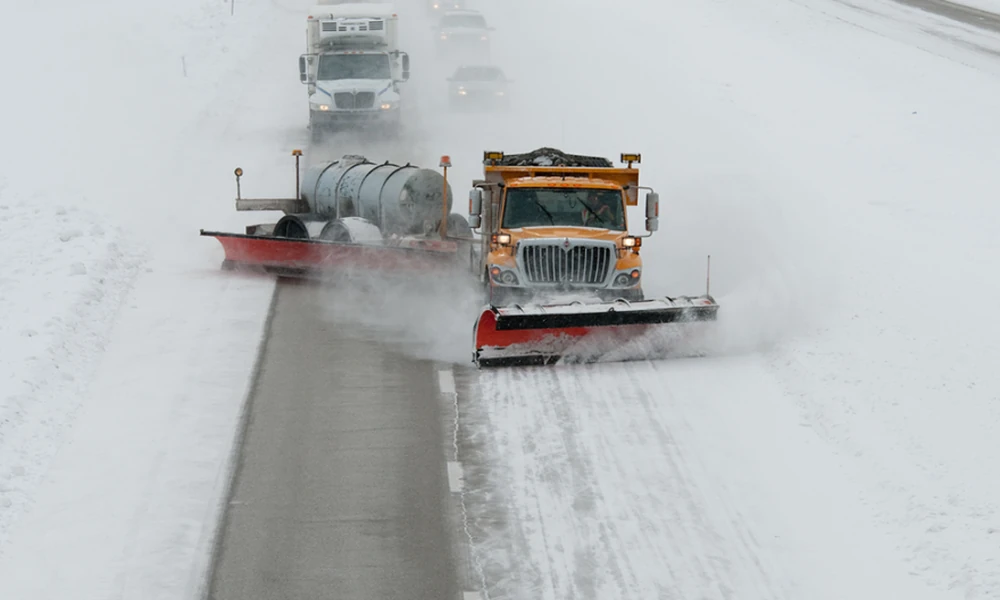
A major winter storm changes how an entire property functions. Deep snow limits visibility, narrows access routes, blocks drainage, and creates obstacles that may remain long after the snowfall has stopped. Recovery is often completed in stages rather than through a single round of snow removal.
Understanding what happens after a significant storm https://highmarkservicesak.com/services/plowing/ helps property owners make better maintenance decisions and restore normal access more efficiently.
Snow Continues Moving After the Storm
Many people assume the work ends when snowfall stops. In reality, wind often continues moving loose snow across open spaces, creating new drifts only hours after an area has been cleared.
This is especially common around:
- Open parking areas
- Wide driveways
- Unprotected roadways
- Large commercial properties
- Corner lots exposed to strong winds
These conditions sometimes require additional visits even without new snowfall.
Hidden Hazards Become More Noticeable
As access improves, other winter concerns begin to appear. Objects that were buried beneath the snow may create unexpected hazards for vehicles or pedestrians.
Crews often inspect for:
- Covered curbs
- Fire hydrants hidden by snow piles
- Utility boxes
- Mailboxes
- Landscape edging
Identifying these obstacles early helps prevent accidental damage during continued cleanup.
Melting Begins Before Winter Ends
Even during the middle of winter, daytime temperatures may rise enough to start melting surface snow. Water naturally follows the lowest path available, but blocked drainage areas can redirect it toward entrances, sidewalks, or parking areas.
If temperatures fall again overnight, those wet surfaces freeze into ice, creating new maintenance concerns despite clear weather.
The Cleanup Often Continues for Several Days
Large storms usually leave more snow than can be permanently managed in a single visit. Recovery often follows a sequence instead of a one-time cleanup.
Typical stages include:
- Opening primary access routes
- Widening travel lanes
- Clearing remaining pedestrian areas
- Reorganizing snow storage
- Final cleanup after drifting stops
This phased approach keeps the property usable while longer-term cleanup continues.
Winter Recovery Includes Ongoing Monitoring
Snow conditions continue changing after the storm has passed. Wind, temperature swings, and additional precipitation all influence how the property should be maintained over the following days.
Property managers often monitor:
- Areas where ice repeatedly forms
- Drainage around paved surfaces
- Visibility near entrances
- Remaining snow piles
- New accumulation from drifting
Watching these conditions helps prevent smaller issues from becoming larger maintenance problems.
Looking Beyond the Immediate Cleanup
The days following a major snowfall provide an opportunity to evaluate how the property handled winter conditions. Areas that consistently collect drifting snow or experience recurring ice may benefit from adjustments before the next storm arrives.
Using those observations to improve future maintenance plans often reduces disruptions throughout the remainder of the season.
Dependable Winter Support Throughout the Season
Heavy snowfall rarely ends with the final snowflake. Safe recovery depends on restoring access, monitoring changing conditions, and managing the property as winter continues.
Property owners looking for professional winter maintenance can click here to learn more about the snow removal services offered by High Mark Services AK and how seasonal planning helps properties remain accessible throughout Anchorage’s winter months.