
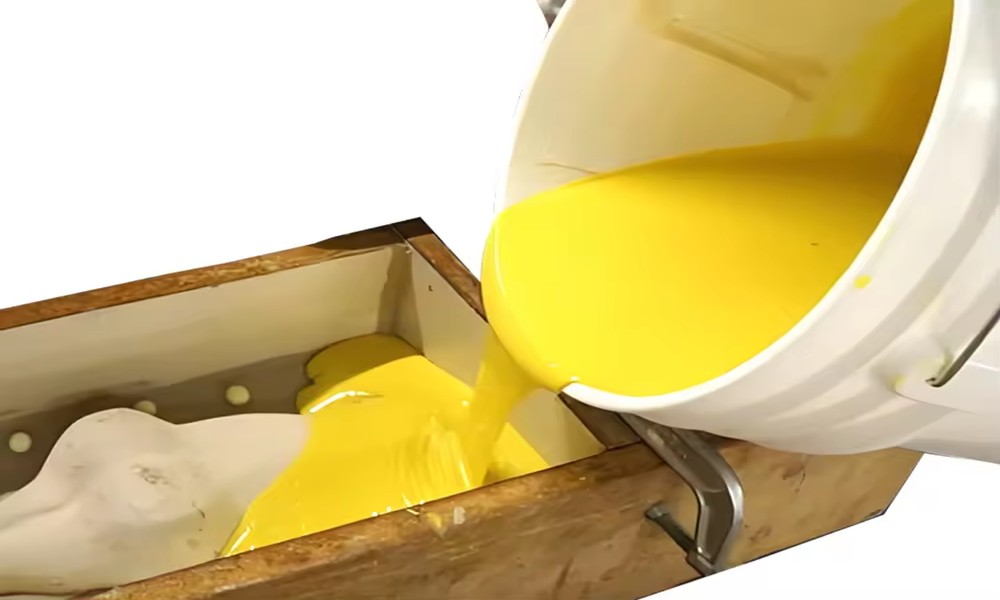
Choosing the correct material for demanding tasks needs careful thought and clear goals. Vulcanized silicone is valued for its flexibility and steady performance across varied conditions. Properties like curing style, strength, and resistance play a strong role in success. Understanding these aspects helps teams make better selections for long-term use. Working with a reliable Room Temperature Vulcanized Manufacturer ensures a consistent supply and trusted guidance.
Material Properties And Strength
Material strength plays a central role in durability and long usage. The selected silicone must handle stress without cracking or losing shape. Resistance to pressure, heat, and moisture improves reliability in many setups. Good elasticity allows movement without damage during repeated use cycles.
Curing Type And Performance
The curing type decides how the material behaves during and after application. Some types cure faster while others provide more working time for adjustment. The final silicone layer should maintain stability under changing conditions. Proper curing also reduces defects such as bubbles or weak bonding areas.
Selection Criteria Key Points
Clear criteria help narrow down options and avoid confusion during selection. Working with a trusted Room Temperature Vulcanized Manufacturer provides better clarity on specifications and usage.
- Select material with strong resistance to heat, moisture, and pressure
- Ensure the curing process matches the working time and application needs properly
- Choose a flexible composition to handle movement without cracks or damage
- Verify compatibility with surfaces to achieve strong and stable bonding
- Confirm long-term durability under repeated stress and environmental exposure
Environmental Resistance Needs
Exposure to heat, chemicals, or wetness affects material life greatly. The chosen silicone must resist these elements without losing its key features. Strong resistance helps avoid breakdown and supports longer operational periods. This factor is vital for applications facing constant external impact.
Application Process And Ease
Ease of use influences both time and efficiency during operations. A smooth application process reduces waste and supports uniform coverage. The material should spread well and settle without forming unwanted gaps. Teams benefit from products that are simple to handle and adjust.
Selecting the correct material depends on balancing performance with actual needs. A clear understanding of conditions helps reduce risks and improve efficiency. Evaluating curing behavior, strength, and resistance ensures better results over time. Careful selection avoids waste and supports steady operations without frequent issues. Working with trusted sources and testing small samples before full use brings confidence and better output in demanding applications.
FAQs
What factors matter most when selecting material for industrial sealing tasks?
Strength, resistance, curing behavior, and compatibility decide overall performance in usage.
Why the curing type is important for application success in industrial environments?
It controls the setting time, bonding strength, and stability under changing conditions.
How to ensure long-term durability of selected material in operations?
Choose resistant composition test samples and follow the correct application process carefully.